I’ll be upfront with you: I’ve been vegan since the day I was born. Not “vegan curious”, not “plant-based on weekdays” — just vegan, the whole time. So when people ask me what they should cook on the night they have non-vegan family coming over and don’t want a row about lentils, I have very strong opinions.
The trick — and this is the part most “21 best vegan recipes” lists get wrong — isn’t to put something fake at the centre of the plate and hope nobody notices. It’s to cook something that was always going to be vegan and lean into it. A proper minestrone. A bowl of pasta with the right amount of olive oil. A bean stew with a slab of bread that’s seen butter (well, no butter — see below). The Italians, the Lebanese, the Indians and the southern Chinese all worked this out centuries ago: most of the world’s great peasant cooking is accidentally vegan, and it tastes that way because it was designed to taste good, not to prove a point.
Table of Contents
ToggleSo this is what we actually cook at our place on the nights my partner’s parents come over, the nights friends drop in, and the random Tuesdays when I want a proper dinner but can’t be bothered with anything that involves more than one pan. All Aussie ingredients, all bought from Coles or Harris Farm, all stuff that’s been on the table in real life and got eaten by people who don’t normally cook vegan.
Why the “vegan version of X” trap doesn’t work
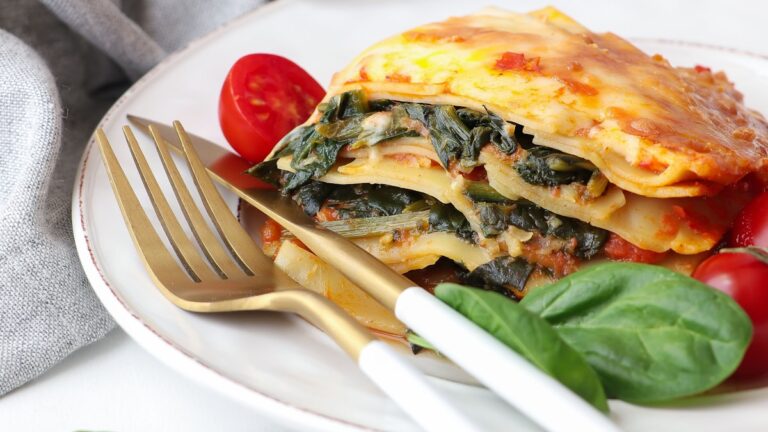
If you serve someone “vegan lasagna” with cashew ricotta in place of dairy ricotta, all they’re going to do is sit there comparing it to the real one. That comparison is a fight you cannot win — not because cashew ricotta is bad (it isn’t) but because the brain measures the substitute against a remembered reference point and finds the gap.
So instead of cooking “the vegan version of a dish”, cook a dish that’s just good, on its own terms, with nothing missing. The Italians have a phrase for it — cucina povera, “poor kitchen” cooking — which is the centuries-old tradition of building food around what was in the cupboard, the garden, and the bread bin. That’s where almost every recipe on this list comes from. None of them feel like a compromise because none of them were trying to imitate anything in the first place.
The starting line-up — five vegan recipes that always pull their weight
1. A proper minestrone (with the parmesan rind not in it)
This is the dish I make most often. Onion, carrot, celery (the soffritto trinity), garlic, a tin of Italian tomatoes, a tin of cannellini beans, a handful of small pasta (ditalini or broken spaghetti), a fistful of silverbeet from Harris Farm. Twenty minutes. The “secret” is salt — twice — at the soffritto and again at the end. The Italians who taught me this would also add a Parmesan rind to the pot, and you can leave that out and not miss it as long as you use a real, salty olive oil to finish (more on which under our Italian pantry guide).
I serve this with toasted sourdough rubbed with raw garlic and a slick of finishing oil. It’s a complete dinner. My partner’s dad — who orders steak at every restaurant we ever go to — has gone back for seconds.
2. Green gnocchi in pesto sauce
Gnocchi from Coles (the De Cecco vacuum-sealed packs are good and they’re $4), a homemade basil pesto made with nutritional yeast instead of parmesan, and a fistful of frozen peas tossed in at the last second for sweetness and colour. The whole thing comes together in the time it takes the gnocchi to bob to the surface — about four minutes. Pesto without parmesan sounds like it shouldn’t work, but the nutritional yeast carries the umami and the pine nuts (or walnuts, if you’re being thrifty) carry the fat. Don’t tell anyone you’ve left the cheese out and nobody will ask.
3. Organic fresh mushroom soup
This is the soup that converts mushroom-sceptics. Swiss browns from Harris Farm (the Aussie ones are excellent and about $9/kg), sweated slowly with thyme until they’re brown and the pan is almost dry, then a splash of dry white wine, stock, and a swirl of coconut cream at the end — not enough to make it taste of coconut, just enough to round the edges. Blend half, leave half chunky. Salt three times across the cook. Black pepper to finish.
4. Hearty, healthy carrot soup
Carrots are everywhere, they’re cheap, and a good carrot soup is the kind of dinner you can put in front of someone who’s just finished a long day and watch them visibly relax. Roast the carrots first (this is the non-negotiable step — the caramelisation matters), blend with ginger, garlic, vegetable stock, and a single tin of full-fat coconut milk. Top with toasted pumpkin seeds. The whole thing is autumn in a bowl and it costs about $6 to feed four people.
5. Smooth, delectable hummus — but actually smooth
I know, hummus is the obvious one. But supermarket hummus is a tragedy and the homemade stuff most people make at home is grainy because they leave the chickpea skins on. The fix: simmer the tinned chickpeas with a teaspoon of bicarb soda for ten minutes — the skins float off, you skim them away, and the resulting hummus is silky. Tahini (Mayver’s Aussie one is fine — $7 at Coles), a long squeeze of lemon, two cloves of garlic, ice water from the freezer (this is the other secret — cold water in the blender makes it fluffy). Drizzle of olive oil, a pinch of sumac, warm pita. Done.
Three more for when you’ve got time
6. Sprouted lentils — for the salads, not the lentils themselves
Sprouting lentils takes three days and zero attention. Soak overnight, drain, rinse twice a day until little tails appear. The result goes into salads, on top of soups, into wraps. The nutritional jump from cooked to sprouted lentils is significant — the Australian Dietary Guidelines are pretty firm that legumes belong in our daily intake and sprouting them makes the iron and protein more bioavailable.
7. The best vegan cheesecake
If you only make one vegan dessert in your life, make this one. Soaked cashews, coconut cream, lemon, maple syrup, vanilla, and a biscuit-and-coconut-oil base. It sets in the freezer, slices clean, and the texture is — and I really mean this — indistinguishable from a proper baked cheesecake. The first time I made it for my brother-in-law (a chef) he ate three slices and asked for the recipe. There’s a more creamy variation too if you want to play with it.
8. Authentic vegan baklava
Most baklava recipes use butter, and most “vegan” baklava recipes use margarine — which is awful. The proper move is good-quality vegan butter (Nuttelex’s Coconut Oil Spread is the only one I trust at Aussie supermarkets) or, if you can find it, ghee made from coconut oil. Filo from the freezer aisle at Coles is genuinely fine. Walnuts, cinnamon, cardamom, sugar syrup with rose water. The syrup should hit the baklava the moment it comes out of the oven — cold syrup on hot pastry. That’s the whole technique.
The cupboard you need to make all of this work
For people just starting out, here’s the short list. Mostly Coles. The two splurges (tahini and finishing oil) are worth it.
- Pulses: tinned cannellini, chickpeas, brown lentils, kidney beans. Coles Italian Brand is fine — about $1.40 a tin.
- Tinned tomatoes: whole peeled, never diced. See the pantry guide for the long version of why.
- Nutritional yeast: the Aussie brand Bonsoy sells it at Harris Farm and most health food shops; about $8 for a fortnight’s worth.
- Tahini: Mayver’s at Coles ($7) is good for everyday; for hummus that you actually serve to guests, Al Wadi or Lebanese Soujok-grade tahini from a deli is worth it.
- Olive oil: working oil for cooking, finishing oil for the plate. Both Aussie.
- Coconut milk and coconut cream: Ayam in the green can. Full-fat. Never low-fat — it’s just expensive water.
- Spices: cumin, sumac, cinnamon, smoked paprika, garam masala, dried oregano, dried mint. Buy small, replace often, they go stale faster than you think (six months from open).
- Aromatics: brown onions, garlic, ginger, lemons. Always.
- Frozen aisle: peas (a packet for emergencies), filo pastry, a bag of broad beans.
What the non-vegans will say afterwards
“That was actually really good” is the bar. If you serve good food and don’t make a song-and-dance about it being vegan, that’s the line you’ll get every time. Don’t put “the vegan version” on a menu. Don’t apologise. Just cook the dish. The CSIRO’s research on plant-rich diets has been clear for years now that the health upside is real, but that’s not why my partner’s dad eats minestrone. He eats it because it tastes good. That’s the only argument that ever works.
Pick three from the list. Cook them on a rotation through the month. By the time you’re at the bottom of the list you’ll have your own opinions about which ones are keepers, and you’ll start playing with them — swapping the silverbeet for kale, the cashews for almonds, the pesto for salsa verde. That’s when it stops being “vegan cooking” and starts being “what we make on a Tuesday”. Which is exactly what it should be.
— Jess